


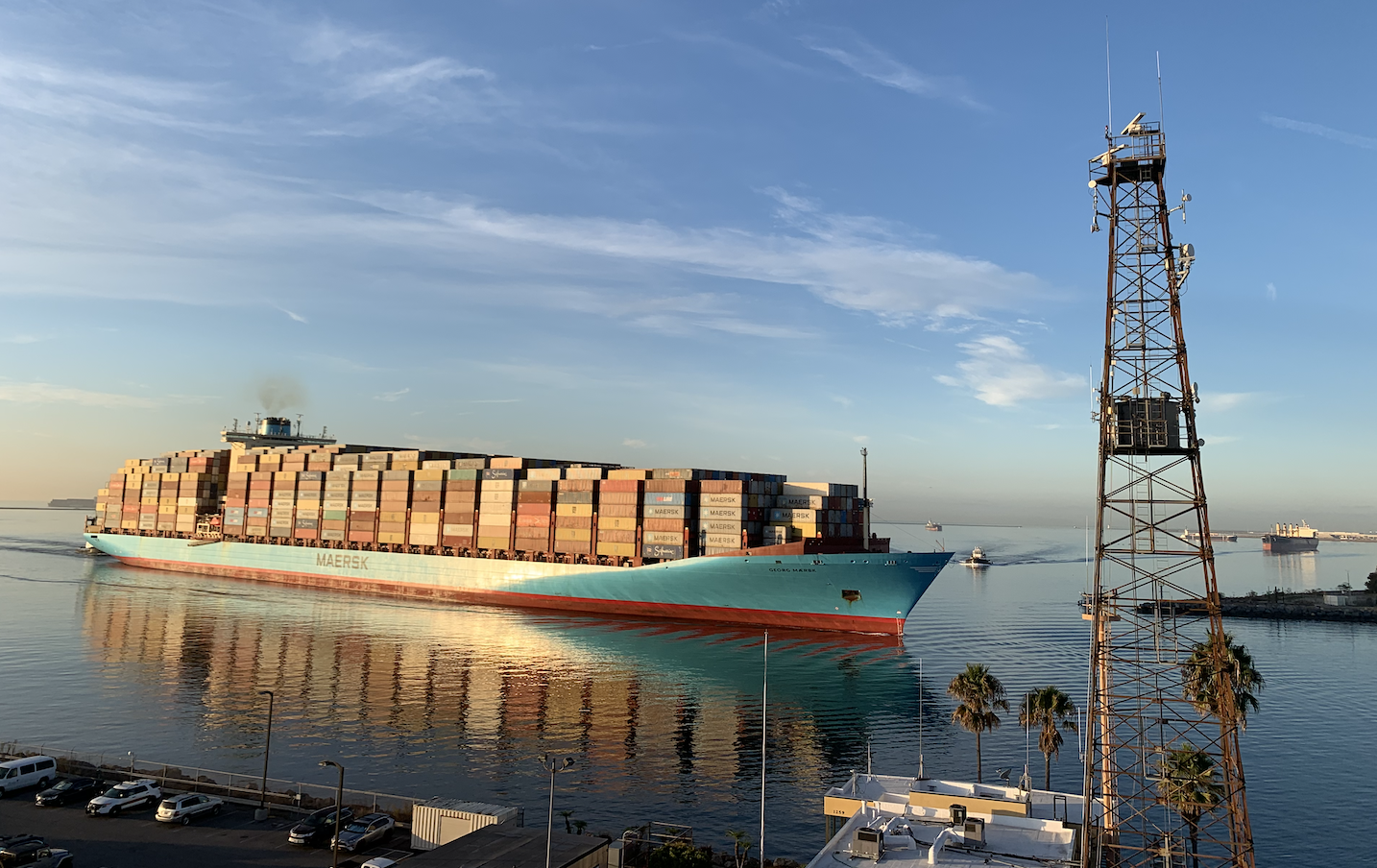
According to Politico, the U.S.-China trade conflict is set to escalate further as both countries move to raise port fees on each other’s commercial vessels—a move that could increase consumer costs in the United States and reduce imports from Asia.
At the same time, tensions have flared over China’s dominance in global critical mineral supply chains, prompting President Trump to threaten a 100% tariff on Chinese goods and impose new export controls on “all critical software.” In response, China’s Ministry of Transport announced last Friday that it will implement reciprocal port service fees against U.S. ships, mirroring Washington’s planned increases on Chinese vessels.
The immediate economic impact on the U.S. is expected to be limited, as American exports to China represent only a small fraction of U.S. imports from China. However, Beijing’s decision to retaliate underscores how sectors previously untouched by tariffs are now being drawn into the conflict since the new trade war erupted in February. It also raises the stakes for both sides ahead of the November 10 deadline for a potential trade agreement.
“This is largely symbolic—less than one percent of ships docking at Chinese ports are U.S.-flagged, so the real impact is minimal,” said Cameron Johnson, a senior partner at Shanghai-based supply chain consultancy Tidalwave Solutions. “But it sends a clear message: Beijing will match every American move. If Washington sanctions a Chinese firm, Beijing will sanction an American one; if we restrict technology exports, they’ll do the same. We’re entering a new and unpredictable phase of the trade war.”
The Trump administration has argued that the new U.S. port fees will help revive domestic shipbuilding and reduce reliance on Chinese shipping firms.
Major shipping companies have said they will temporarily absorb the added costs themselves. But U.S. retailers, manufacturers, and logistics experts warn that this will not last, and the burden will ultimately fall on consumers. The higher fees threaten to further strain a global shipping industry that already carries over 80% of the world’s trade and is still reeling from the impact of Trump’s broad tariff policies.
Under the new policy, starting next week, Chinese-owned or -operated cargo ships will face a $50-per-ton port fee when unloading at U.S. ports, with the fee set to rise by $30 per ton each year over the next three years. Ships built in China but operated by non-Chinese companies will also be subject to the charges. China’s retaliatory port fees will likewise increase annually, reaching as high as $157 per ton by 2028.
